-
The Ship of Theseus Powers On
•
8 min read
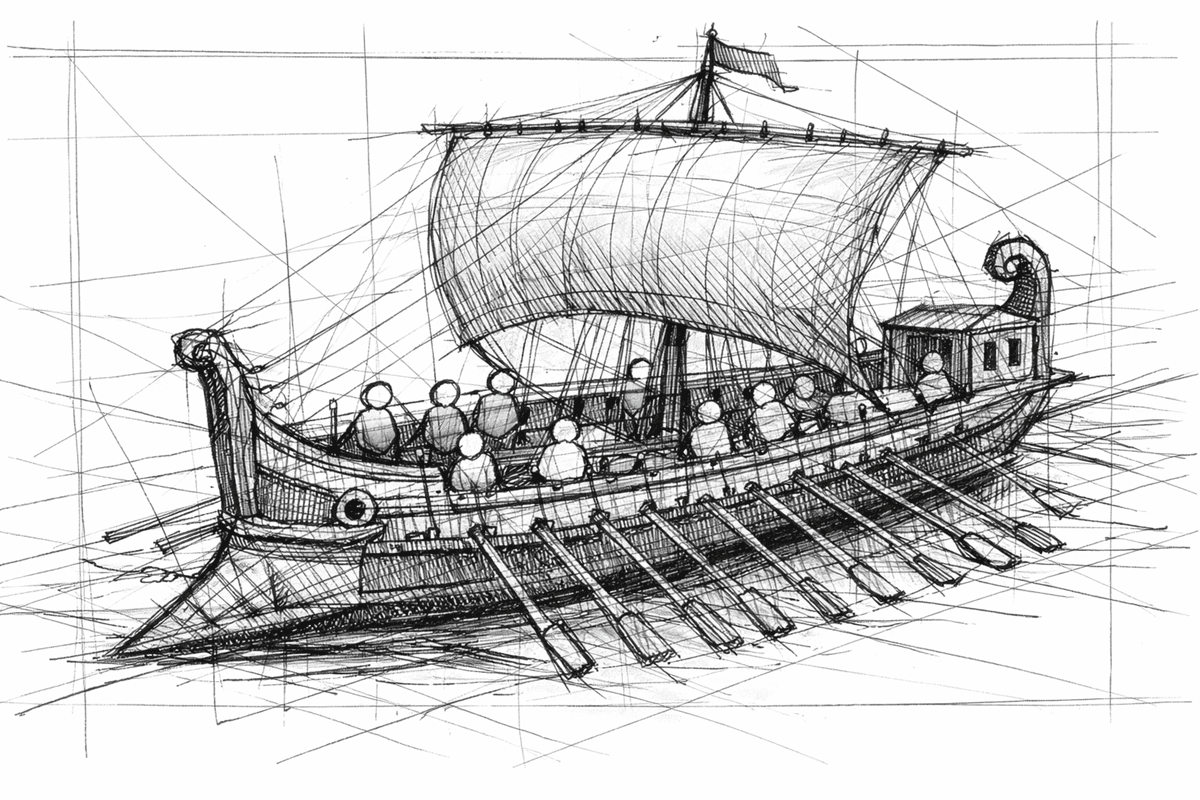
The ancient Greeks posed a thought experiment: if you replace every plank of a ship, one by one, is it still the same ship? The paradox has puzzled philosophers for millennia. It also describes what Britain has done to its electricity system. In 2012, coal generated 40% of UK electricity. Gas provided another 28%. Nuclear
-
This Is Fine: New Zealand’s Quiet Electricity Gamble
•
8 min read
In 2013, artist KC Green published a six-panel webcomic titled “On Fire.” A cartoon dog sits in a room engulfed in flames, coffee cup in hand, murmuring “This is fine” as the inferno consumes everything around him. The strip became one of the internet’s most durable memes—shorthand for wilful denial in the face of obvious

-
Chesterton’s Fence Was Load-Bearing
•
8 min read
In 1929, G.K. Chesterton articulated a principle that bears his name. If you encounter a fence across a road, he wrote, do not tear it down until you understand why it was erected. The reformer who removes it simply because he sees no use for it is precisely the person who cannot be trusted with
-
The Factory Must Grow
•
13 min read
In Factorio, the cult factory-building game that has consumed millions of hours from engineers and optimisation addicts, players quickly learn a counterintuitive lesson: the solution to inefficiency isn’t optimisation—it’s scale. When your iron smelting array can’t keep up with demand, you don’t fine-tune the existing setup. You build another one. Then another. You sprawl across
-
China’s Three-Body Problem
•
4 min read
In Liu Cixin’s The Three-Body Problem, the Trisolarans face an existential challenge. Their planet orbits three suns in a chaotic, unpredictable system. Survival demands planning across centuries, not quarters. Beijing’s energy strategists face their own trisolaran dilemma—balancing three competing forces: economic growth, energy security, and decarbonisation. Get the balance wrong and the system destabilises. The
-
Hari Seldon’s psychohistory could predict the fate of empires across millennia. Energy prices should be simpler. Yet economists still struggle to explain why a German factory pays three times what an American one does for the same kilowatt-hour. A kilowatt-hour is a kilowatt-hour. Same physics. Same laws of thermodynamics. But the price of power varies